
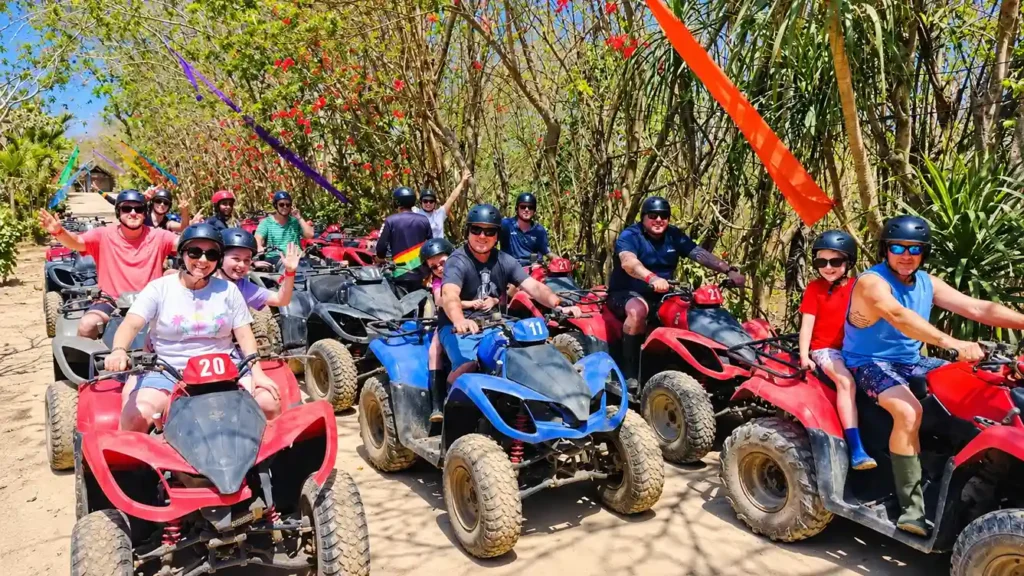
An ATV ride in Bali can take you across muddy tracks, uneven jungle paths, slopes, and water crossings. These changing surfaces are part of the adventure, but they also mean riders need to pay attention to their speed, surroundings, and vehicle control. An ATV accident can happen when a rider loses control, approaches an obstacle too quickly, or encounters terrain they are not prepared to handle.
The risk is not limited to experienced riders. First-time riders may be unfamiliar with the throttle, brakes, steering, or the way an ATV responds to uneven ground. The good news is that understanding the common causes of ATV accidents can help you make better decisions before and during your ride.
This guide explains what can go wrong during an ATV ride in Bali, which situations require extra care, how to reduce avoidable risks, and what to do if an incident occurs.
What Can Happen During an ATV Ride?
An ATV accident does not always involve a dramatic rollover or a collision. It can range from a rider falling off at low speed to a more serious incident involving a loss of control or impact with an obstacle. The outcome depends on the circumstances, terrain, speed, protective equipment, and the nature of the incident.
Here are some situations riders should understand before heading onto an off-road track.
1. Losing Control on Muddy or Uneven Ground
Mud, loose soil, rocks, and uneven surfaces can affect how an ATV responds to steering, acceleration, and braking. A rider who makes a sudden movement or travels too quickly for the conditions may struggle to maintain the intended line.
For example, a muddy corner may require a slower approach than a firm, straight section of track. Trying to maintain the same speed across both surfaces can leave less time to react when the ATV begins to slide or move unexpectedly.
The practical lesson is to adjust your pace to the ground beneath you rather than assuming every section can be ridden in the same way.
2. Falling Off the ATV
A rider can lose balance when negotiating an obstacle, making an abrupt turn, or reacting unexpectedly to a change in terrain. The risk may increase if the rider is unfamiliar with the controls or is trying to follow another rider too closely.
A fall can result in anything from minor scrapes to more serious injuries. A helmet and suitable protective clothing help reduce certain injury risks, but they cannot prevent every injury.
Stay seated and maintain a stable riding position as instructed during your safety briefing. If you feel uncertain about a section, slow down and ask your instructor for guidance.
3. ATV Rollover or Tip-Over
An ATV can tip or roll when its balance is compromised. Sharp turns at inappropriate speeds, steep or uneven ground, and sudden changes in direction can all create challenging situations.
ATVs are not handled like ordinary cars. Riders need to understand the vehicle’s controls and follow the riding techniques taught by a qualified instructor. Do not attempt a steep slope, sharp turn, or obstacle using a technique you have not been shown.
If a section looks too difficult for your current ability, tell your instructor rather than trying to prove that you can manage it.
4. Collisions Between Riders
An ATV group may travel along the same narrow track, but each rider still needs enough room to react independently. If the person ahead slows down, stops at an obstacle, or loses control, following too closely can make a collision harder to avoid.
Maintain the distance specified by your instructor and do not overtake unless you have been explicitly told it is safe to do so. Keep your attention on the trail and the rider ahead rather than looking around for photos or trying to keep up with friends.
5. Slipping or Losing Traction Near Water
Some Bali ATV routes include water crossings or wet sections. These areas can have slippery surfaces, uneven ground, or changes in depth and traction that are difficult to judge from a distance.
Do not assume a water crossing is safe simply because it looks shallow. Follow the route instructions, approach at the pace recommended by your instructor, and never enter a section that the guide has told you to avoid.
The same principle applies after rainfall: conditions can change, so the route should be approached according to what is actually happening on the day.
What Causes ATV Accidents in Bali?
There is rarely enough information to attribute every ATV accident to one universal cause. However, several riding behaviours and environmental factors can make an incident more likely.
Understanding them gives you a practical checklist to use before booking and once you are on the track.
1. Riding Too Fast for the Conditions
Speed becomes a problem when it leaves a rider with too little time or space to respond to the terrain. A pace that feels comfortable on a straight track may be unsuitable for a muddy turn, a slope, or an uneven section.
Follow the speed guidance given by your instructor and slow down when the surface or visibility changes. Keeping control matters more than finishing a section quickly.
2. Sudden Braking, Acceleration, or Steering
Abrupt inputs can make it harder to maintain a stable line, particularly on loose or slippery ground. Riders who panic when the ATV moves unexpectedly may react by turning or braking sharply, potentially making the situation more difficult to manage.
During the practice session, learn how the throttle, brakes, and steering respond. If the ATV feels unfamiliar, ask for help before entering the main route.
3. Ignoring the Safety Briefing
A safety briefing is not just an introduction to the activity. It explains how to operate the ATV, what to do when approaching difficult sections, how to follow the group, and how to respond to the instructor’s signals.
Missing these instructions can leave a rider unprepared for situations that arise during the ride. Pay attention, ask questions when something is unclear, and follow the guidance throughout the experience.
4. Riding Beyond Your Ability
An exciting track can tempt riders to attempt a section before they feel ready. This is particularly relevant for beginners who may compare their pace with more confident riders.
You do not need to match someone else’s speed. Tell your instructor if you are uncomfortable, and follow their directions about how to approach the next section. Riding within your ability is more useful than trying to complete every obstacle without hesitation.
5. Following Other ATVs Too Closely
A short gap between vehicles reduces the time available to respond when the rider ahead brakes or stops. It can also limit your view of obstacles and changes in the track.
Keep a safe following distance according to the operator’s instructions. If the group begins to bunch up, slow down rather than accelerating to close the gap.
6. Riding Without Appropriate Protective Equipment
Protective equipment cannot remove the risk of an accident, but it can help reduce exposure to certain injuries. Riding without a helmet or suitable clothing leaves you less protected if you fall or make contact with the ground or vegetation.
Use the safety equipment required by the operator and make sure it fits properly. If something is damaged, loose, or uncomfortable enough to interfere with your riding, tell the instructor before starting.
7. Alcohol or Impaired Judgment
Alcohol can affect coordination, reaction time, and decision-making. These abilities matter when controlling a vehicle over uneven terrain, so do not ride an ATV after drinking alcohol or while impaired by other substances.
If you have consumed alcohol, postpone the ride. A recreational activity is not worth taking that risk.
How to Reduce the Risk of an ATV Accident
No checklist can guarantee that an ATV ride will be accident-free. However, a combination of preparation, suitable equipment, responsible riding, and instructor guidance can help you make more informed decisions.
1. Choose an Operator With Clear Safety Procedures
Before booking, check whether the operator explains its safety briefing, practice arrangements, protective equipment, and instructor support. Ask how riders are guided through difficult sections and what the procedure is if someone feels uncomfortable or needs assistance.
A professional-looking website or an attractive track alone cannot establish how an experience is managed. Look for practical details about the riding process and confirm anything that matters to you before paying.
You can also use our guide to choosing the right ATV tour in Bali to compare the details that affect your experience.
2. Wear the Required Helmet and Protective Gear
A properly fitted helmet is one of the most important pieces of protective equipment for ATV riding. Depending on the activity and conditions, appropriate footwear, gloves, eye protection, long pants, and long sleeves can provide additional protection.
Use the equipment supplied or required by the operator, and ask for a replacement if a helmet or other item does not fit properly. Clothing should allow you to move comfortably without loose parts that could interfere with vehicle controls.
For a more detailed outfit checklist, read our guides below
3. Use the Practice Session Properly
If your package includes a practice area, treat it as an important part of the experience rather than a formality. Take the opportunity to understand the throttle, brakes, steering, and the way the ATV responds when you accelerate or slow down.
Do not rush because other riders appear ready to start. Ask questions if you are unsure about a control, and let your instructor know if you need more time to become comfortable with the vehicle.
4. Follow the Instructor’s Directions
Your instructor can explain how to approach the route and which sections require additional attention. Follow the guidance given during the briefing and while riding, especially when the track becomes muddy, uneven, steep, or slippery.
Do not attempt a different route, overtake another rider, or perform a manoeuvre unless the instructor has confirmed it is appropriate.
5. Adjust Your Pace to the Track
The terrain should guide your riding decisions. A wet section, sharp turn, or uneven surface may require a slower approach than a clear stretch of track.
Look ahead, avoid abrupt movements, and follow the techniques taught during your briefing. If you cannot comfortably handle the next section, stop only where it is safe to do so and signal your instructor for assistance.
6. Maintain Space Between ATVs
Follow the distance instructions given by your guide. Avoid riding close to the vehicle in front, particularly near corners, obstacles, and sections where visibility is limited.
Do not accelerate just to catch up with the group. If you lose sight of the rider ahead, follow the operator’s instructions rather than attempting to find your own way along the route.
7. Never Ride While Impaired
Do not operate an ATV after consuming alcohol or when affected by medication or other substances that impair alertness or coordination. If you are unsure whether a medication could affect your ability to ride, seek appropriate professional advice and discuss your situation with the operator before participating.
8. Tell Your Instructor When You Need Help
You do not need to hide your concerns or keep riding when you feel uncomfortable. If the ATV feels difficult to control, you are tired, or a section seems beyond your ability, communicate with your instructor.
A responsible riding decision can mean slowing down, taking a break where permitted, or stopping the activity. Your goal is to enjoy the experience while respecting your own limits.
For a broader overview of the risks and precautions, see our ATV safety guide for Bali.
What Should You Do If an ATV Accident Happens?
If an accident occurs, the priority is to protect people from further harm and get appropriate assistance. The right response depends on the severity of the incident and the surrounding conditions.
1. Stop and Check for Immediate Danger
If you are involved in an incident, stop riding and assess whether the area presents an immediate danger. Do not move into the path of other ATVs or attempt to restart a vehicle in an unsafe position.
Alert your instructor or the operator’s staff as soon as possible. Follow their directions for securing the area and assisting anyone involved.
2. Get Medical Help When Needed
If someone is unconscious, has difficulty breathing, is bleeding heavily, experiences severe pain, or may have a head, neck, or back injury, seek emergency medical assistance immediately.
Avoid moving a person with a suspected serious head, neck, or spinal injury unless leaving them in place presents an immediate danger. Do not encourage someone to continue riding simply because they can stand up or initially feel fine.
If symptoms are concerning or worsen after the incident, obtain medical assessment rather than relying on how the person feels in the first few minutes.
3. Report the Incident to the Operator
Tell the instructor or operator what happened and follow the incident-reporting procedure. If it is safe to do so, note the time, location, circumstances, and names of the people involved.
Photographs or other documentation may be useful when appropriate and safe to obtain, but they should never delay urgent medical assistance.
4. Confirm the Next Steps Before Leaving
Ask the operator how to obtain the incident report, what documentation is available, and whom to contact for follow-up. If medical treatment or insurance may be involved, keep relevant receipts and records and confirm the applicable process.
Do not assume that every injury or expense will automatically be covered by the package. Coverage depends on the applicable insurance terms and circumstances.
For more detail, read our guide to ATV insurance coverage in Bali.
Does ATV Insurance Cover an Accident in Bali?
It depends on the policy. The presence of insurance in an ATV package does not automatically mean every injury, medical expense, vehicle damage, or other loss is covered.
Before booking, ask what insurance is included, who is eligible, which incidents are covered, whether exclusions or limits apply, and what documentation is needed to submit a claim. If the answer is unclear, request the relevant terms before confirming your reservation.
If an accident occurs, report it to the operator promptly and follow the applicable claim procedure. Keep the incident details and supporting documents, and confirm the process with the relevant insurance provider or team.
Our guide to ATV insurance coverage in Bali explains the questions worth asking before your ride.
Is ATV Riding in Bali Safe for Beginners?
ATV riding can be accessible to beginners when the experience includes appropriate instruction and the rider follows the required safety procedures. However, beginner-friendly does not mean risk-free.
First-time riders should take the briefing seriously, use the practice session, wear the required protective equipment, and follow the instructor’s directions. They should also be comfortable communicating when they need help or do not understand how to approach a section.
If you are deciding whether the activity is suitable for you, read our guide to ATV riding safety for beginners in Bali. It covers the considerations that can help you decide whether to join and what to check before booking.
How Bali ATV Ride Approaches Rider Safety
At Bali ATV Ride, the experience begins with preparation before riders enter the main track. Our packages include a safety briefing, a practice session, instructor guidance, and riding equipment such as helmets and boots, according to the package details.
These steps help riders understand the basic controls, become familiar with the ATV, and learn how to follow the route instructions. They do not eliminate every risk, which is why we still expect riders to pay attention, control their speed, and follow the instructor throughout the experience.
If you are comparing ATV rides in Bali, look beyond the scenery and package price. Check how the operator prepares riders, what equipment is provided, how the route is managed, and what assistance is available if a problem occurs.
You can compare our available experiences on the Bali ATV Ride Packages and see the package details before choosing a ride that suits your trip.
Final Thoughts: Enjoy Bali’s Off-Road Adventure Responsibly
An ATV ride offers a different way to explore Bali, but the experience requires attention and responsible riding. Understanding the terrain, learning the controls, wearing suitable protective equipment, and following your instructor can help reduce avoidable risks. If an incident occurs, stop riding and prioritise medical assistance and the operator’s reporting procedure.
At Bali ATV Ride, we want riders to understand both the adventure and the preparation that comes with it. Review the available packages, check the safety arrangements, and choose an experience that fits your comfort level before heading out on the trail.
Book Your ATV Adventure Safely With Bali ATV Ride Now!

Frequently Asked Questions About ATV Accidents in Bali
Are ATV accidents common in Bali?
There is no single reliable figure in this guide that establishes how frequently ATV accidents occur across Bali. The likelihood of an incident depends on factors such as the route, riding conditions, vehicle handling, protective equipment, and the rider’s decisions. It is more useful to assess the safety procedures and risks of the specific experience you plan to book than to rely on an unsupported island-wide claim.
What is the main cause of an ATV accident?
There is no single cause for every incident. Losing control, riding too quickly for the terrain, abrupt steering or braking, following another ATV too closely, and ignoring instructions can all contribute to a crash. Conditions and circumstances vary, so each incident needs to be assessed individually.
Can beginners have an ATV accident?
Yes. Beginners may be unfamiliar with the vehicle’s controls and how it responds to uneven ground. A safety briefing, practice session, suitable protective equipment, and instructor guidance can help them prepare, but these measures cannot remove all risk.
Can an ATV roll over on a muddy track?
An ATV can tip or roll when its balance is compromised. Mud, uneven surfaces, slopes, sharp turns, and sudden manoeuvres can make vehicle control more challenging. Follow the instructor’s directions and avoid attempting difficult sections beyond your ability.
What should I do after an ATV crash in Bali?
Stop riding, alert the instructor or operator, and seek emergency medical help if someone may be seriously injured. Avoid moving someone with a suspected serious head, neck, or spinal injury unless there is immediate danger. Report the incident and confirm the operator’s follow-up and documentation procedures.
Does insurance cover ATV accidents in Bali?
Coverage depends on the applicable policy, including its limits, exclusions, eligibility requirements, and claim procedure. Ask the operator or insurance provider for the actual terms rather than assuming that all injuries or expenses are covered.
What should I check before booking an ATV ride in Bali?
Check the route, safety briefing, practice arrangements, protective equipment, instructor guidance, package inclusions, and applicable insurance terms. Ask questions before booking if any important detail is unclear.